

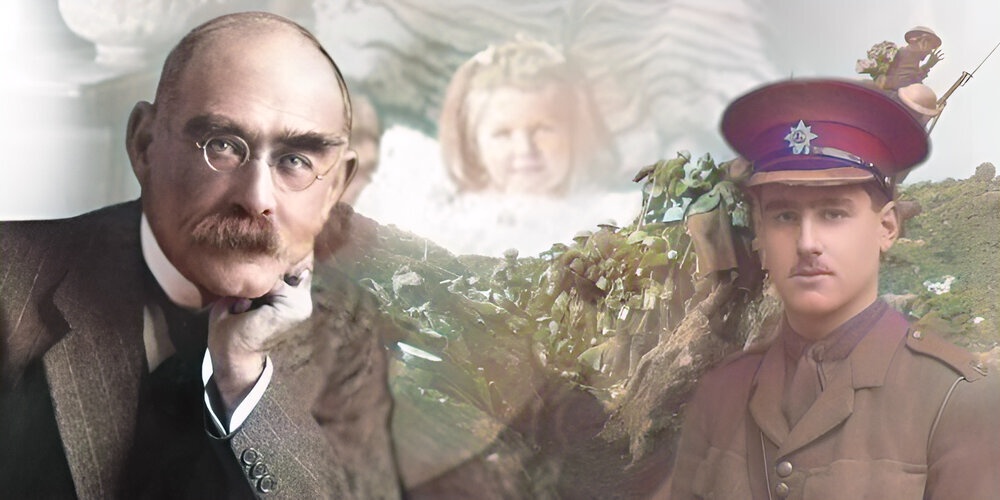
Rudyard Kipling, born in India in 1865, embodied the spirit of British Imperialism during its peak. His life was a journey of incredible success and unimaginable sorrow, forever marked by the "stiff upper lip" of Victorian stoicism.
Early Years
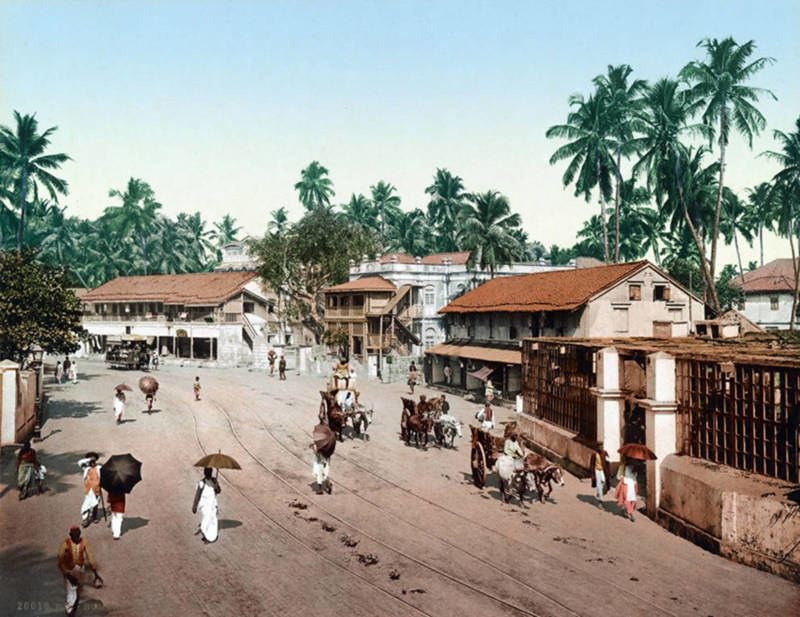
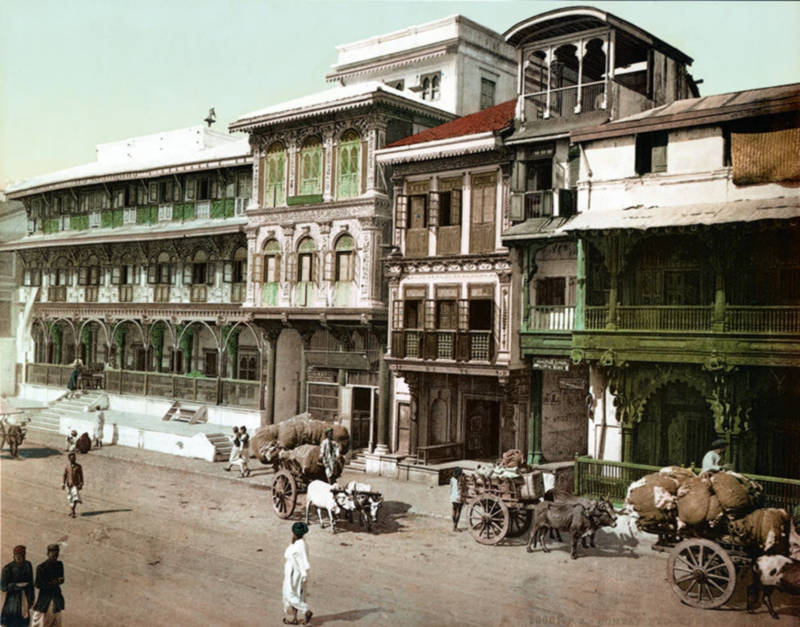
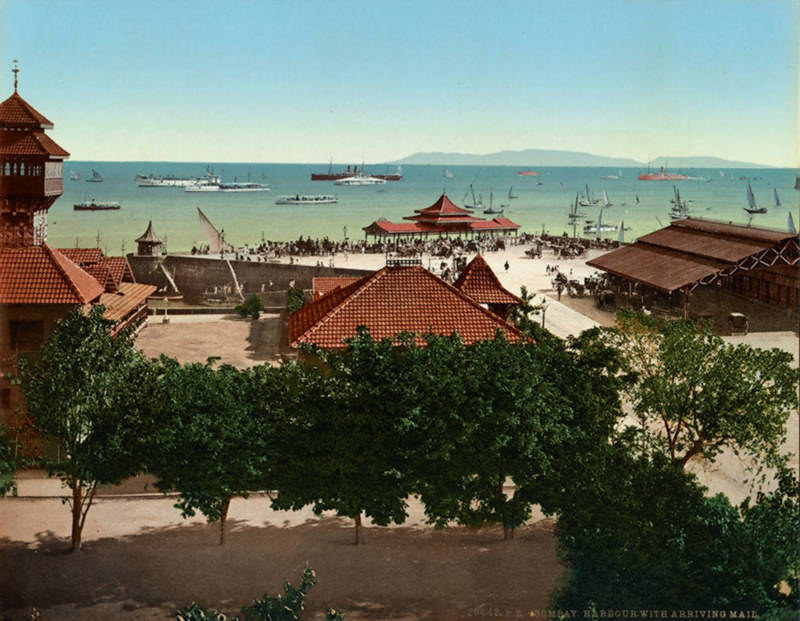
Growing up in Bombay, Kipling was surrounded by the grandeur and diversity of the British Raj.
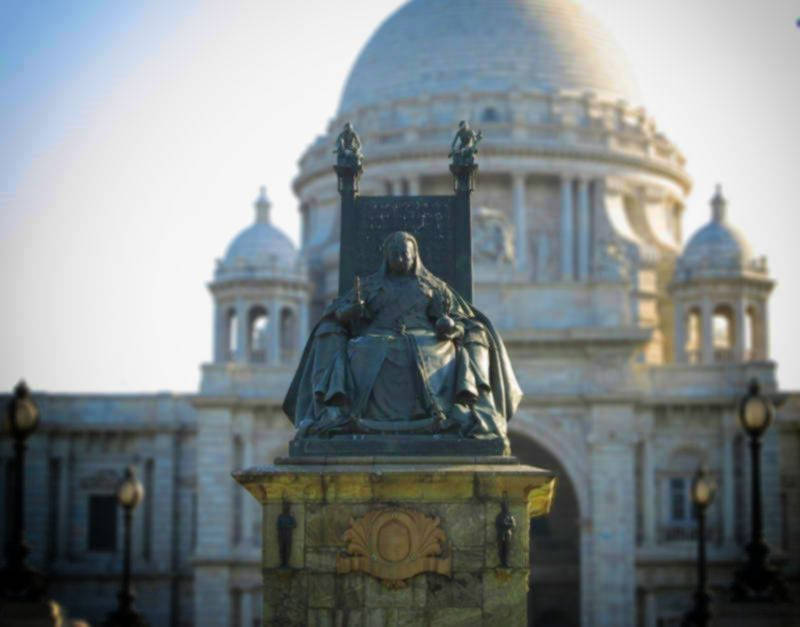
Yet, his idyllic childhood was shattered at the age of five when he and his sister were sent to a cruel boarding house in England. For six years they suffered cruelty and neglect at the hands of the evil Mrs Holloway of Lorne Lodge.
Badly-treated children have a clear notion of what they are likely to get if they betray the secrets of a prison-house before they are clear of it.
Relief came for one month every year when he and his sister visited their maternal Aunt in London. It was a paradise compared to Lorne Lodge.
A paradise which I verily believe saved me.
When at last his mother returned from India to remove the children from Lorne Lodge, he was able to tell the story.
The experience instilled in him the importance of emotional control, a trait that would remain with him throughout his life.
Around the World
After a brief stint at school, Kipling returned to India to pursue his passion for writing. By the age of 24, he had already published several successful stories and embarked on a breathtaking journey around the world.

Kipling left India in March 1889, traveling to San Francisco via Rangoon (a region of Myanmar), Singapore, Hong Kong, and Japan.
After falling in love with a Geisha in Tokyo, he continued his journey through the United States, arriving first in San Francisco and traveling on to Portland OR, Seattle, Vancouver, Alberta, Yellowstone National Park, Salt Lake City, Omaha, Chicago, Beaver PA, Niagara Falls, Toronto, Washington D. C., New York, and Boston.
He stopped along the way to visit Mark Twain, arriving unannounced, but being fortunate enough to find Mr Twain at home and happy to put the world to rights over a few whiskeys.
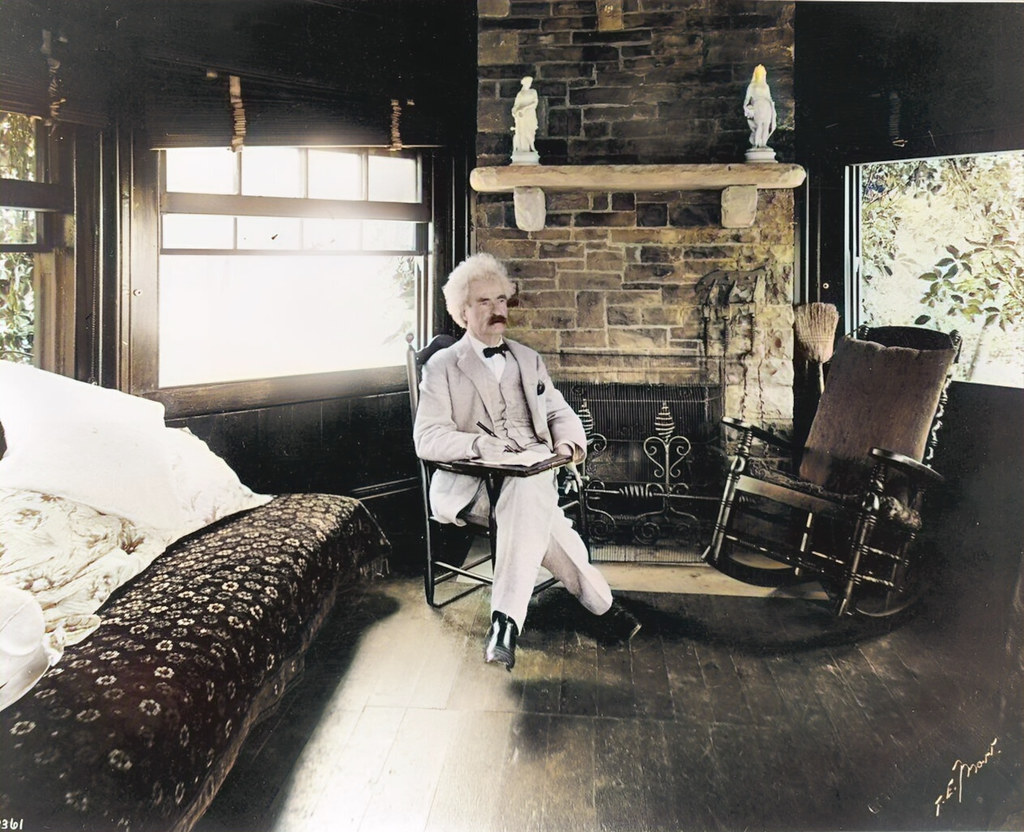
Travelling inspired Kipling's boundless imagination and laid the foundation for his future literary achievements.
Bliss and Tragedy
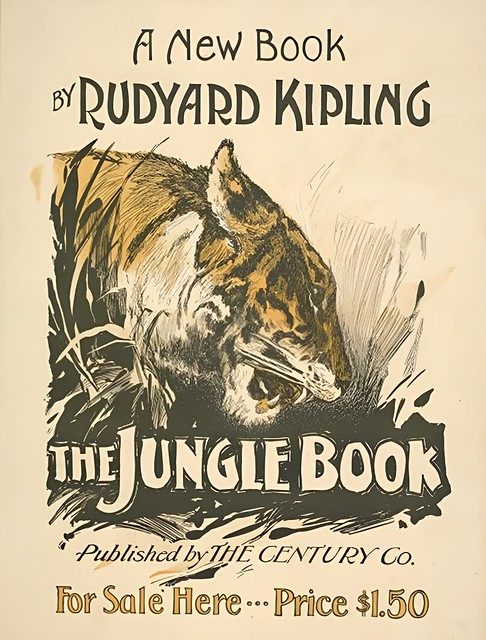
In Vermont, Kipling found his haven, building a home he called "Bliss Cottage." Here, surrounded by his wife and daughters, he penned his most beloved works, including the Jungle Books. However, tragedy struck when his young daughter, Josephine, passed away from pneumonia.

This devastating loss left a permanent scar on Kipling's soul, forcing him to confront the limitations of the "stiff upper lip."
Poet of the Empire
As Kipling's fame grew, so did his association with British Imperialism. He became known as the "Poet of the Empire," writing poems like "The White Man's Burden" that reflected the ideals and anxieties of the time. His unwavering support for the British cause during the Boer War further cemented this image.
Take up the White Man’s burden— Send forth the best ye breed— Go, bind your sons to exile To serve your captives’ need; To wait, in heavy harness, On fluttered folk and wild— Your new-caught sullen peoples, Half devil and half child.
Dreams and Nightmares
In 1902, Kipling purchased a 17th-century mansion called Bateman's, a place he cherished for its peace and beauty. Here, he continued to write prolifically, achieving the pinnacle of his career.

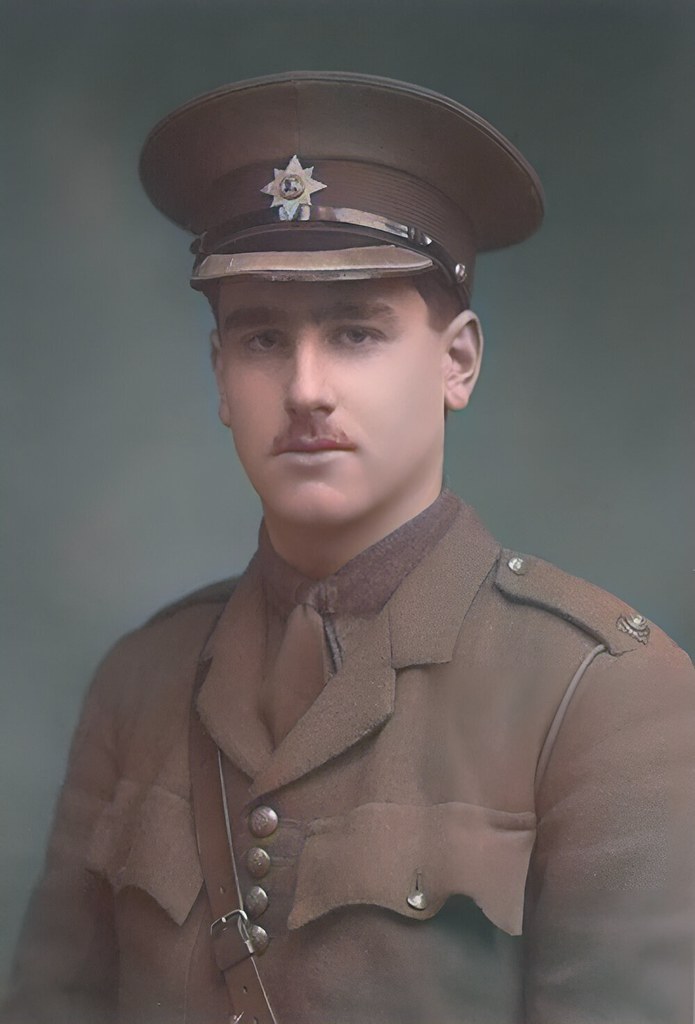
However, tragedy struck once again with the loss of his son, John, in the First World War. This profound loss left Kipling heartbroken and disillusioned.
The Scars of War
During the war, Kipling used his powerful pen to write propaganda for the British government.
He held a particularly strong contempt for any man who reneged on his duty to serve his country, calling them outcasts and a disgrace to their family's name.
What of his family, and, above all, what of his descendants, when the books have been closed and the last balance struck of sacrifice and sorrow in every hamlet, village, parish, suburb, city, shire, district, province, and Dominion throughout the Empire?
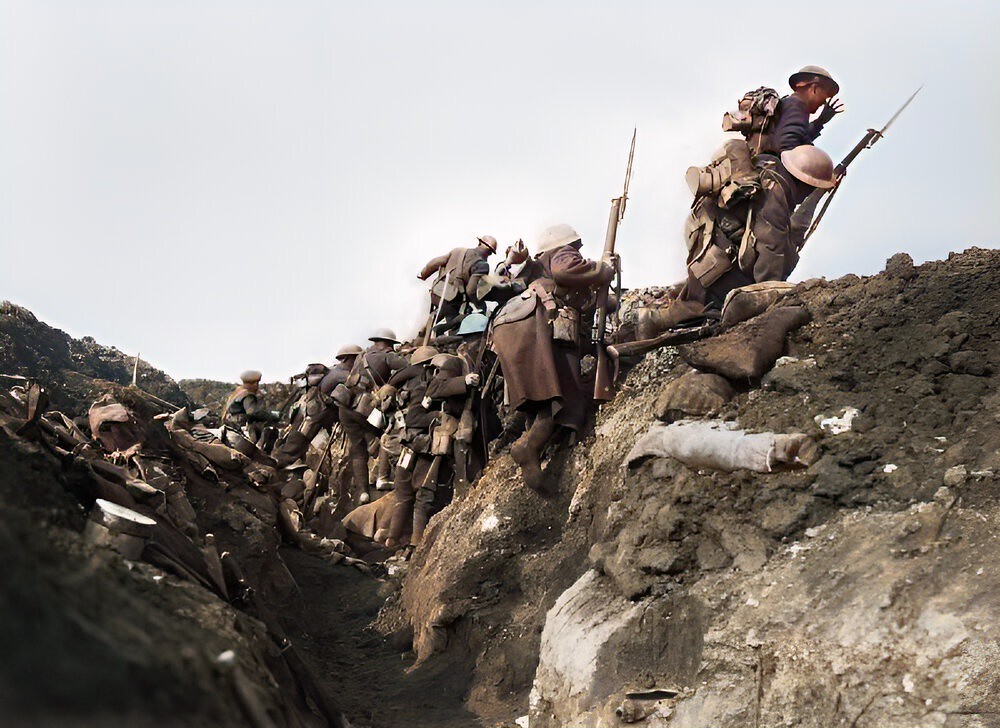
He viewed the war as a battle between good and evil, civilization and barbarity.
There was no crime, no cruelty, no abomination that the mind of men can conceive of which the German has not perpetrated, is not perpetrating, and will not perpetrate if he is allowed to go on...Today, there are only two divisions in the world...human beings and Germans.
However, the loss of his son exposed the hollowness of jingoism and forced him to confront the true cost of war.
If any question why we died Tell them, because our fathers lied.
The Stiff Upper Lip and Its Limits
Kipling's life was a testament to the complexities of the "stiff upper lip." While it undoubtedly helped him navigate the trials of his life, it also prevented him from fully expressing his grief and reconciling with his losses. However, his poems like "If—" continue to inspire generations with their message of courage and resilience, even in the face of unimaginable hardship.
A Legacy of Triumph and Tragedy
Rudyard Kipling was a man of contradictions: a champion of empire and a critic of its injustices, a master storyteller and a grieving father. His life and work serve as a reminder of the human capacity for both extraordinary achievements and profound suffering. Through his words, he continues to challenge us to confront the complexities of history, the limitations of stoicism, and the enduring power of love and loss.